
Presidents of the Community of Christ formally known as the Reorganized Church of Jesus Christ of Latter Day Saints
Take a journey through the leadership of the Community of Christ (formerly known as the RLDS Church), a distinct branch of the broader Latter-Day Saint movement. This church emerged in the mid-19th century during a period of uncertainty following the death of Joseph Smith Jr. It sought to stay true to the founder’s original teachings. From the visionary leadership of Joseph Smith III, who called for a return to foundational principles like a firm stance against polygamy and a commitment to peace, to the transformative period under Stephen M. Veazey, each president has left their unique mark on this community. These leaders have been dedicated to peace, justice, and spiritual growth, guiding the church through changing times and challenges.
Exploring the biographies of these leaders in order, starting with Joseph Smith III, whose leadership (1860–1914) was crucial in shaping the RLDS identity, separate from Brigham Young’s Latter-Day Saint movement. He emphasized core values like peace and monogamy. Following him, leaders like Israel A. Smith and Wallace B. Smith continued to guide the church, each shaping its direction and beliefs in their own way.
The leadership under W. Grant McMurray marked a turning point. In 2001, with the Quorum of Twelve Apostles, he oversaw the church’s legal name change to the Community of Christ, reflecting a shift toward broader theological inclusiveness and a deeper engagement with the wider Christian community. This change represented a reevaluation of traditional Latter-Day Saint beliefs and a desire to integrate more fully into the global Christian family.
As we explore the lives and legacies of these presidents, we will also reflect on how they influenced both the broader Latter-Day Saint movement and the American religious landscape. Their leadership not only shaped the RLDS but also contributed to the rich tapestry of American religious history, offering insights into the dynamics of faith, leadership, and cultural change.
Join in this fascinating exploration of the presidents who have guided the Reorganized Church of Jesus Christ of Latter-Day Saints, now legally known as the Community of Christ. Formerly known as the RLDS Church, through their stories, we see a consistent dedication to foundational principles, an openness to change, and a lasting commitment to spiritual growth and community.
Please note that the separation of the Restoration Branches from the Reorganized Church of Jesus Christ of Latter Day Saints (RLDS, now Community of Christ) began in the 1980s, primarily due to the RLDS church’s decision to ordain women to the priesthood in 1984. This decision caused a significant divide, with many members believing it strayed from the church’s original doctrines and practices. Those in the Restoration Branches, who sought to preserve traditional teachings and church authority, found this move incompatible with their beliefs. As a result, these individuals and groups distanced themselves from the RLDS, eventually forming independent congregations that upheld traditional practices, including the rejection of women’s ordination to the priesthood. For this reason, some of the links on the site are from the Restoration Branch’s websites and are not affiliated with the Community of Christ. They are included on this site because they offer valuable resources that seem to be lacking on the Community of Christ website as the business men and women in the Independence Missouri temple seem to be distancing the church from church heritage by not including historical resources nor scriptures for people to study.
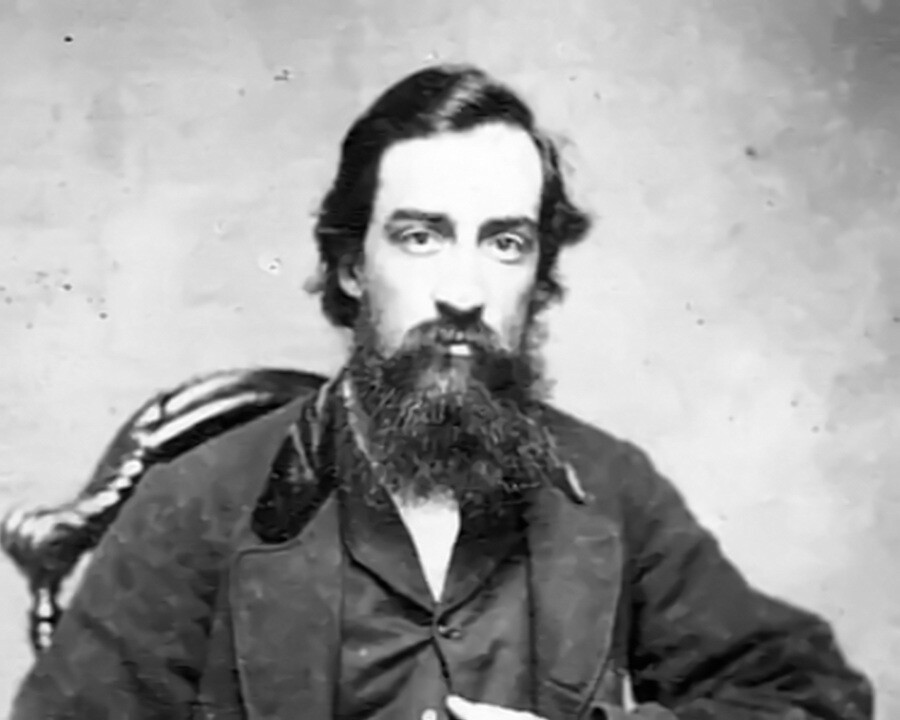
Joseph Smith III
1 – Joseph Smith III, born on November 6, 1832, in Kirtland, Ohio, stands as a pivotal figure in the history of the Latter Day Saint movement. As the eldest surviving son of Joseph Smith Jr., the founder of the Latter Day Saint movement, Joseph III was born into a legacy of religious leadership that would profoundly shape his life and the course of the Reorganized Church of Jesus Christ of Latter Day Saints (RLDS Church).
In the wake of his father’s assassination in 1844, the Latter Day Saints found themselves engulfed in a profound succession crisis. Factions emerged, each charting a different course for the future of the movement. Joseph Smith III, deeply impacted by his father’s death, initially resisted the calls to leadership within the church. However, in 1860, at the age of 27, he accepted the role of president of the newly formed RLDS Church, marking a significant moment in the history of the Latter Day Saint movement.
Joseph Smith III’s tenure as leader of the RLDS Church, lasting over five decades until his death in 1914, was characterized by his efforts to establish the RLDS Church as a distinct entity within the broader Latter Day Saint movement. His leadership was marked by a commitment to moderate and inclusive theology, with a strong focus on principles of peace, social justice, and community building. Under his guidance, the RLDS Church experienced growth and expansion, establishing new congregations across the United States and internationally, although it did not grow as extensively as the Utah-based LDS Church.
One of Joseph Smith III’s key contributions was overseeing the completion and publication of the Inspired Version of the Bible, also known as the Joseph Smith Translation. Initiated by his father, Joseph Smith Jr., this work was seen as an important scriptural text within the RLDS Church, embodying its unique doctrinal perspectives.
Throughout his life, Joseph Smith III was known for his advocacy for peaceful resolution of conflicts and his opposition to practices like polygamy, which were embraced by some factions of the Latter Day Saint movement. His stance on egalitarian principles within the church also marked a shift towards a more inclusive view of women’s roles in the church.
Joseph Smith III’s leadership and vision were instrumental in shaping the RLDS Church into a distinct denomination within the larger Latter Day Saint movement. His commitment to the teachings of Jesus Christ, combined with his dedication to peace and social justice, left a lasting impact on the RLDS community. Today, the Community of Christ, formerly known as the RLDS Church, continues to embrace and build upon his legacy of inclusivity, spiritual growth, and a focus on creating a peaceful and just world.
Tour of the Temple with Joey Williams
Watch on YouTube

Frederick Madison Smith
2 – Frederick Madison Smith, more commonly known as F. M. Smith, was born on January 21, 1874, in Plano, Illinois. He was indeed the eighth child of Joseph Smith III, but the first child with his second wife, Bertha Madison Smith. F. M. Smith followed in his father’s footsteps to become a prominent religious leader within the RLDS Church.
Raised in a deeply religious environment, F. M. Smith was imbued with the principles of the RLDS faith from a young age. His education at Graceland College (now Graceland University), an RLDS-affiliated institution, was instrumental in his theological formation and preparation for future leadership within the church.
F. M. Smith’s formal journey in church leadership began in 1901 when he was ordained as an apostle in the RLDS Church. This ordination marked the beginning of his active role in the church’s administration and governance, where he quickly demonstrated his commitment to the faith.
Upon the death of his father in 1914, F. M. Smith assumed the role of Prophet-President of the RLDS Church. His tenure as leader was characterized by significant challenges and the need to navigate the church through a rapidly changing religious landscape. He focused on maintaining the RLDS Church’s foundational principles of peace, social justice, and community building.
One of F. M. Smith’s key achievements was the expansion of the church’s missionary efforts. He advocated for and oversaw the RLDS Church’s engagement in global mission work, contributing to the establishment of congregations and outreach in various countries, thus broadening the church’s global presence.
In theological matters, F. M. Smith fostered intellectual exploration and scholarship within the RLDS Church. He encouraged a progressive and open approach to theology, which greatly contributed to the church’s doctrinal development.
As a leader, F. M. Smith was deeply committed to social justice and peacebuilding. He was an advocate for racial equality and social progress, influencing the RLDS Church’s stance on these critical social issues.
F. M. Smith’s leadership spanned over three decades and he served until his death on March 20, 1946. His impact on the RLDS Church was profound, shaping its identity and guiding its mission. Today, the Community of Christ, formerly known as the RLDS Church, continues to uphold the principles that F. M. Smith championed—peace, social justice, and spiritual growth.
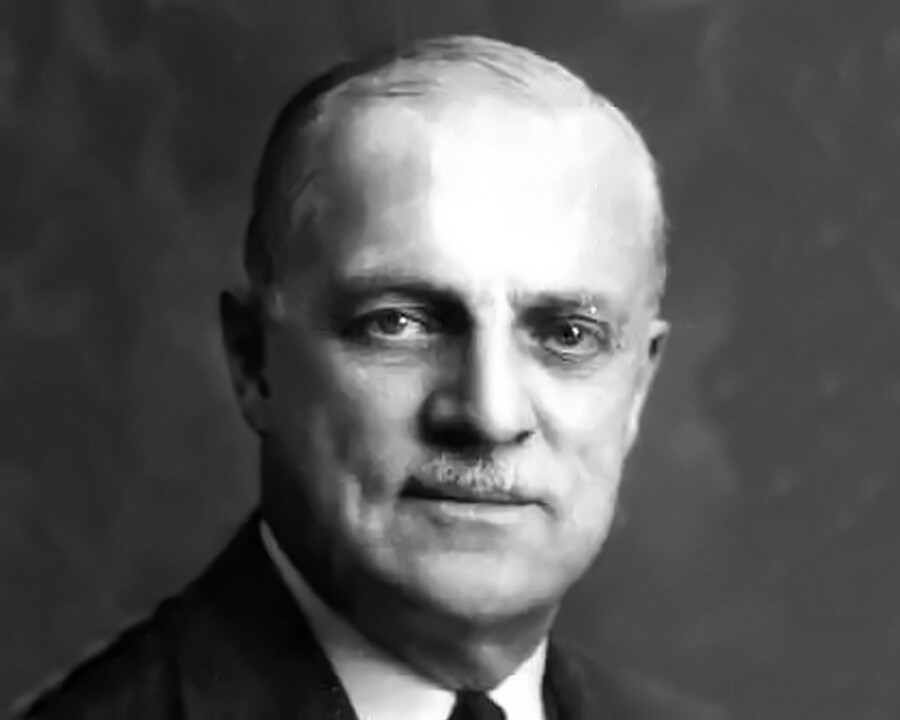
Israel Alexander Smith
3 – Israel Alexander Smith, a significant leader in the Reorganized Church of Jesus Christ of Latter Day Saints (RLDS Church), now known as the Community of Christ, was born on November 4, 1876, in Plano, Illinois. As a son of Joseph Smith III, the first president of the RLDS Church, and Bertha Madison Smith, Israel was part of a notable family in the church’s history. He was the brother of Frederick M. Smith, who also served as a Prophet-President of the RLDS Church.
Raised in a deeply spiritual environment, Israel Smith was immersed in the teachings and principles of the RLDS faith from a young age. His education at Graceland College (now Graceland University), an RLDS-affiliated institution, provided a strong theological foundation and prepared him for a leadership role within the church.
Israel Smith embarked on his path of service within the RLDS Church, holding various leadership positions that prepared him for his future role as Prophet-President. In 1946, following the death of his brother Frederick M. Smith, Israel Smith assumed leadership of the RLDS Church.
His tenure as Prophet-President was marked by significant social, cultural, and theological changes. Israel Smith continued the church’s mission of spreading the teachings of Jesus Christ, emphasizing peace, social justice, and community building. He was particularly focused on fostering community engagement and inclusivity.
A major initiative under his leadership was the expansion of the RLDS Church’s global outreach. Israel Smith worked to establish congregations internationally and promote interfaith dialogue, thereby extending the church’s influence and presence worldwide.
Israel Smith also championed theological development within the RLDS Church. He encouraged an exploration of scripture and tradition, fostering a climate of intellectual inquiry and spiritual growth.
Israel Alexander Smith passed away on June 14, 1958. His dedication to the principles of peace, justice, and community left a lasting impact on the RLDS Church. His leadership, alongside that of his brother Frederick M. Smith, helped shape the church’s identity and mission in the 20th century. Today, the Community of Christ continues to build upon the values and principles that were important to Israel A. Smith.

William Wallace Smith
4 – William Wallace Smith, often referred to as W. Wallace Smith, was born on February 26, 1900, in Lamoni, Iowa. He was the thirteenth child of Joseph Smith III, the first president of the Reorganized Church of Jesus Christ of Latter Day Saints (RLDS Church), and his third wife, Ada R. Clark Smith. As a member of the Smith family, he was deeply immersed in the RLDS Church from an early age.
W. Wallace Smith grew up in a family where the teachings and traditions of the RLDS faith were central. He pursued his education at the University of Missouri, where he broadened his academic and theological knowledge.
His active involvement in the RLDS Church leadership began in the 1920s, where he served in various administrative roles. His leadership skills and dedication to the church quickly became evident.
In 1958, following the death of his half-brother, Israel Alexander Smith, W. Wallace Smith assumed the role of Prophet-President of the RLDS Church. His tenure was marked by significant changes and growth within the church.
Under his leadership, the RLDS Church saw an increase in membership, both in the United States and internationally. W. Wallace Smith championed diversity and inclusivity within the church community. Notably, he advocated for the empowerment of women in leadership and decision-making roles within the church, reflecting a progressive stance for the time.
He was pivotal in advancing the church’s global mission. His extensive travels helped build relationships with RLDS congregations worldwide, strengthening the church’s international presence and fostering a sense of global interconnectedness among its members.
W. Wallace Smith was also a strong proponent of social justice and peacemaking. He supported civil rights initiatives, opposed discrimination, and advocated for peaceful conflict resolution, aligning with the church’s focus on peace, justice, and compassion.
He served as Prophet-President until his retirement in 1978. After retiring, W. Wallace Smith remained an influential figure within the Community of Christ, imparting his wisdom to future church leaders and members.
W. Wallace Smith passed away on November 4, 1989. His life and leadership exemplified a profound commitment to faith, service, and the teachings of Jesus Christ. He left a lasting impact on the RLDS Church, shaping its identity as an inclusive community dedicated to peace, justice, and spiritual growth.
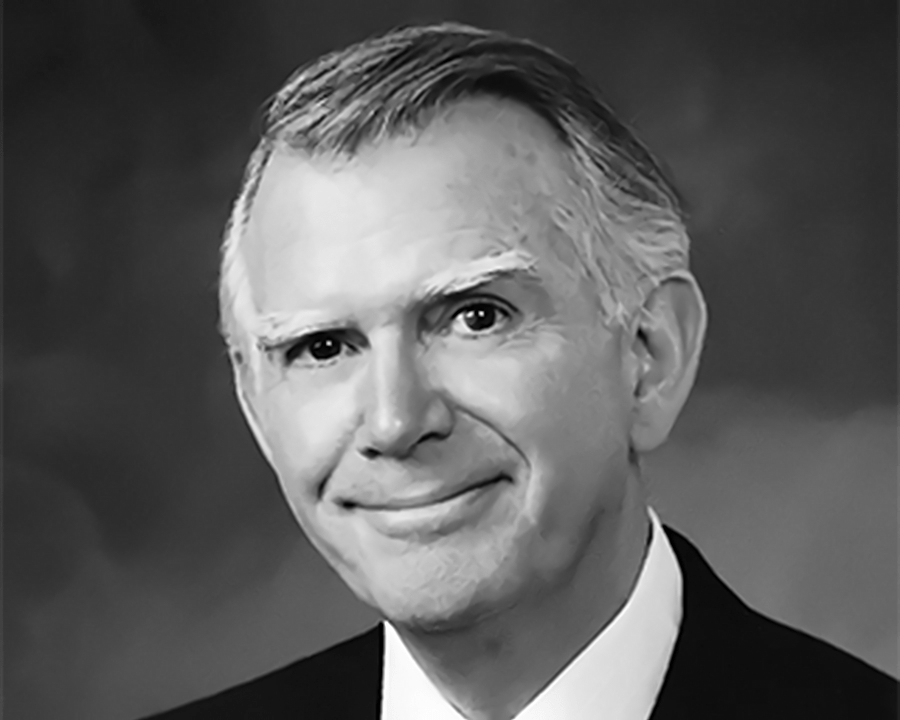
Wallace Bunnell Anthony Smith
5 – Wallace Bunnell Anthony Smith, a significant leader in the Reorganized Church of Jesus Christ of Latter Day Saints (RLDS Church), now known as the Community of Christ, was born on July 29, 1929, in Lamoni, Iowa. He is a great-grandson of Joseph Smith Jr., the founder of the Latter Day Saint movement, and served as the fifth Prophet-President of the RLDS Church.
As the son of W. Wallace Smith, the fourth Prophet-President of the RLDS Church, Wallace B. Smith was born into a lineage deeply intertwined with the church’s history and teachings. His upbringing instilled in him a strong sense of faith and dedication to the principles of the RLDS faith.
In 1978, following the retirement of his father, Wallace B. Smith assumed the presidency of the RLDS Church. His tenure was marked by substantial change and evolution, both within the church and in the wider religious context.
During his leadership, Wallace B. Smith focused on the church’s mission to promote peace, justice, and spiritual growth. He championed inclusivity within the faith community, welcoming diverse backgrounds and perspectives. He also actively engaged the church in social justice issues, including civil rights, environmental stewardship, and economic equality.
Under his guidance, the Community of Christ expanded its global reach and interfaith engagement. He was instrumental in fostering connections with other faith traditions and emphasizing the importance of international peace and cooperation, advocating for nonviolent and diplomatic conflict resolution.
A landmark decision during his presidency was the church conference vote on April 5, 1984, which approved the ordination of women to the priesthood, with the first ordinations occurring on November 17, 1985. Wallace B. Smith also proposed a name change for the church, which was officially implemented in 2001, four years after his retirement.
Throughout his tenure, Wallace B. Smith emphasized empowering local congregations and promoting participatory church governance. He encouraged lay leadership and community engagement, recognizing the importance of individual spiritual growth.
Wallace B. Smith retired as Prophet-President in 1996. Post-retirement, he continued to influence the church, offering guidance and support to subsequent leaders and contributing to the faith community’s development.
His life exemplifies a deep commitment to the teachings of Jesus Christ and the pursuit of peace and justice. Wallace B. Smith’s leadership significantly shaped the Community of Christ’s identity as a progressive, inclusive, and peace-oriented community. His legacy continues to inspire the church’s members towards compassion, justice, and spiritual growth.
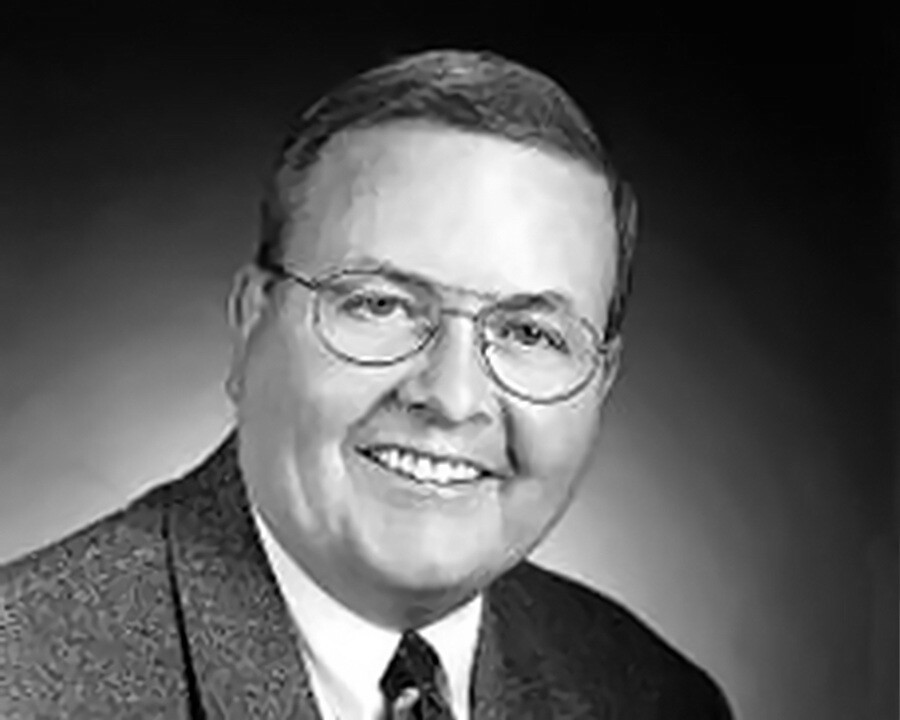
William Grant McMurray
6 – Wiliam Grant McMurray, commonly known as W. Grant McMurray, has been an influential religious leader who served as the sixth Prophet-President of the Community of Christ, formerly known as the Reorganized Church of Jesus Christ of Latter Day Saints (RLDS Church). Born on October 6, 1947, in Independence, Missouri, he led the church through a transformative era.
Raised in a family with strong ties to the RLDS Church, McMurray developed a deep connection to its teachings and principles from an early age. He pursued higher education at Graceland University and the University of Missouri, focusing on history and political science.
McMurray’s journey in church leadership began in the 1970s, holding various administrative roles, particularly in finance and administration. His organizational skills and dedication significantly contributed to the church’s growth and stability.
In 1996, McMurray was chosen as the Prophet-President of the Community of Christ. His tenure marked a period of substantial change and renewal for the church, reflecting its evolving needs and global context.
As Prophet-President, McMurray strongly emphasized peace and justice. He promoted social responsibility, environmental stewardship, and global peace, encouraging interfaith dialogue and cooperation. His efforts significantly enhanced the church’s interfaith relationships.
Under his leadership, the Community of Christ expanded its membership and global presence. McMurray was pivotal in changing the church’s name from the Reorganized Church of Jesus Christ of Latter Day Saints to Community of Christ, a move that reflected the church’s broader focus and identity.
McMurray also championed inclusivity and shared leadership within the church. He empowered congregations and promoted lay member involvement in decision-making, valuing the diverse perspectives within the church community.
After over a decade of service, McMurray retired in 2004. Post-retirement, he has continued to engage with the Community of Christ, offering his wisdom and support.
Throughout his career, McMurray has been committed to the teachings of Jesus Christ, with a focus on promoting peace, justice, and spiritual growth. His leadership has significantly shaped the Community of Christ, defining it as a progressive, inclusive faith community dedicated to peace, compassion, and shared responsibility for humanity’s welfare.

Stephen Mark Veazey
7- Stephen Mark Veazey, a key figure in the Community of Christ, has been serving as its Prophet-President since 2005. Born on August 31, 1955, in Independence, Missouri, he has significantly influenced the church’s direction during a period marked by growth, transformation, and inclusive spirituality.
Raised in a devout RLDS family, Veazey’s early life was steeped in the church’s teachings. His education at Graceland University, where he majored in religion and philosophy, further deepened his understanding and commitment to his faith.
Veazey’s leadership journey within the Community of Christ began in the late 1970s. He served in various roles, including pastor, evangelist, mission center president, and World Church leader, demonstrating a strong passion for ministry and an inclusive approach to spirituality.
Upon becoming Prophet-President in 2005, Veazey has emphasized the church’s mission of peace, justice, and spiritual growth, adapting to the evolving needs of its diverse membership. He has been a strong advocate for social justice, environmental stewardship, and peace. His leadership has involved engaging in interfaith dialogue, fostering relationships, and promoting understanding and cooperation among different faith traditions.
Veazey has been a champion of inclusive theology, affirming the dignity and worth of all individuals, and advocating for the full participation and ordination of women in the Community of Christ. He has encouraged lay leadership and empowered local congregations, fostering a culture of shared responsibility and participation.
Under Veazey’s guidance, the Community of Christ has continued to navigate contemporary issues, shaping its identity as a welcoming and inclusive faith community. His leadership is marked by a commitment to the teachings of Jesus Christ, a pursuit of peace, and the promotion of justice and compassion.
Stephen Mark Veazey’s visionary leadership has inspired many within the Community of Christ and beyond, contributing significantly to the church’s engagement with global issues and its commitment to building a peaceful and just society.
Library
Holy Scriptures
Book of Mormon
RLDS Church History
Links
Community of Christ
Teacher InZion
Restored Gospel Podcast
Stores
Herald House Publishing